
Counselling for Sight Loss
Specialist emotional support for people experiencing visual impairment
Changes in vision can affect far more than eyesight. Sight loss — whether gradual or sudden, partial or significant — can impact confidence, independence, identity, relationships, and emotional wellbeing.
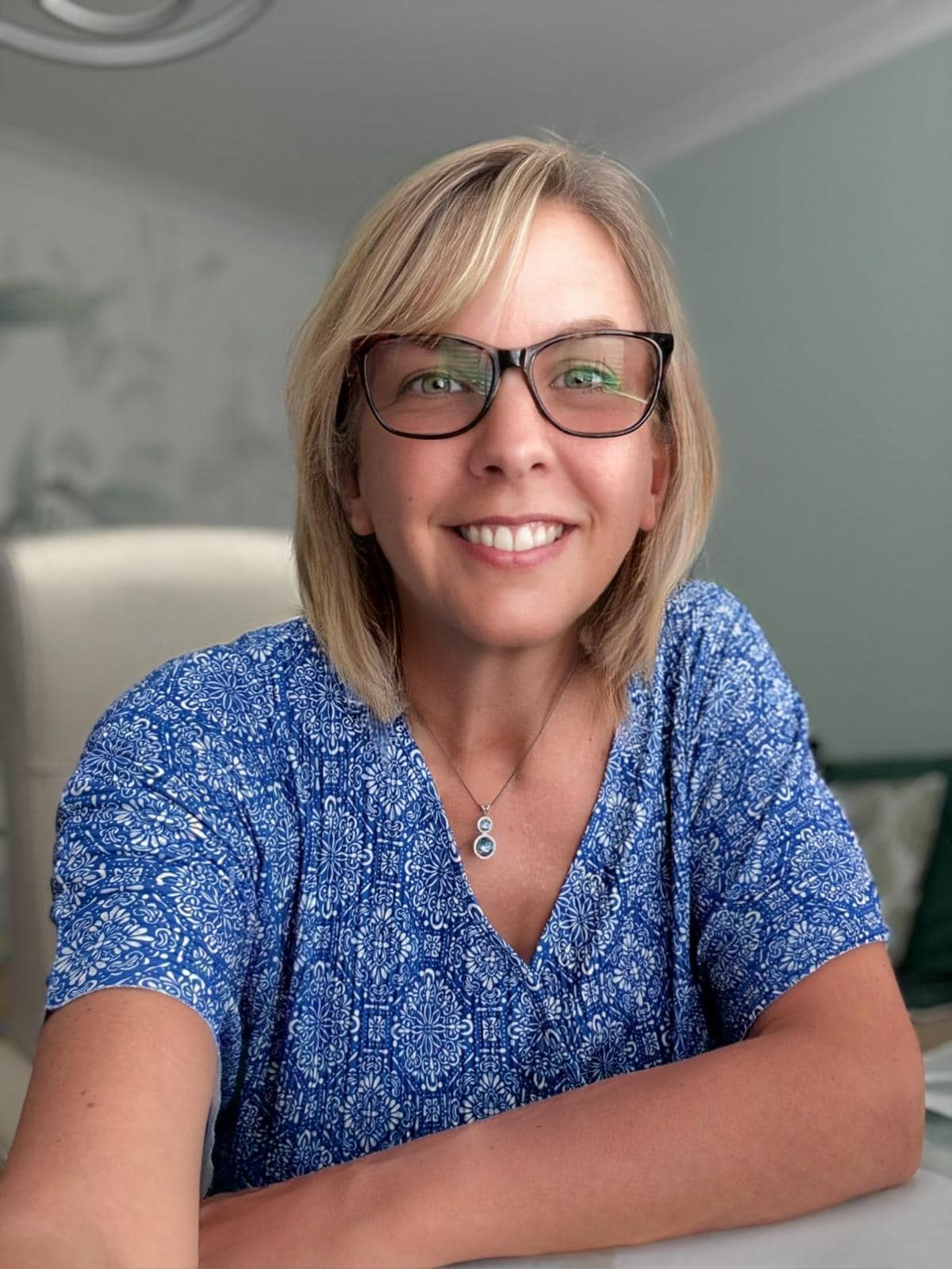
At Poole Therapies, we offer compassionate counselling for individuals adjusting to sight loss or living with visual impairment. This support is led by Kay, who has specialist training in working therapeutically with people affected by sight loss.
Understanding the Emotional Impact of Sight Loss
Sight loss can bring a wide range of feelings, including grief, frustration, anxiety, anger, isolation, or uncertainty about the future. Some people experience a shift in how they see themselves. Others struggle with practical changes that affect work, mobility, or daily life.
There is no single emotional response to visual impairment. Your experience is personal, and therapy offers a space where it can be explored safely and without judgement.
Support may be helpful if you are:
Adjusting to a recent diagnosis
Living with progressive sight changes
Experiencing loss of independence or confidence
Feeling isolated or misunderstood
Managing anxiety or low mood linked to visual impairment
Navigating Changes in Relationships
You do not need to be in crisis to seek support.
Our Approach
Kay works in a person-centred and trauma-informed way, offering space to process both the emotional and practical impact of sight loss.
Therapy may involve:
- Exploring feelings of grief and adjustment
- Supporting confidence and identity
- Working with anxiety or uncertainty
- Strengthening coping strategies
- Navigating changes in work, family, or independence
Sessions move at your pace and are shaped around your needs.
Specialist Support with Kay
Kay brings dedicated training and experience in counselling for sight loss and visual impairment. Her work combines therapeutic expertise with an understanding of the unique psychological and social impact that changes in vision can bring.
If you would like to learn more about Kay’s background and approach, you can view her profile here.
Accessible and Inclusive Practice
We recognise that accessibility matters.
Online sessions can be adapted to suit individual communication needs. We are happy to discuss preferences in advance to ensure sessions feel comfortable and manageable. This may include:
- Clear verbal guidance
- Adjusted pacing
- Flexible communication styles
- Checking in regularly about comfort and clarity
If you would like to talk through accessibility needs before booking, we welcome that conversation.
Still unsure of the best fit for your needs? Contact us, and we’ll help match you with the right professional.
Don’t worry — sometimes the best match may be outside of Poole Therapies. In those cases, we’re happy to recommend trusted services that could be the ideal fit for you.
Additional Support & Resources
You may also find the following organisations helpful:
- RNIB (Royal National Institute of Blind People)
- NHS Low Vision Services
- BCP Specific Resources
- Thomas Pocklington Trust
These organisations can provide practical guidance, peer support, and information alongside emotional support.
Taking the First Step
Adjusting to sight loss can feel isolating, but you do not have to navigate it alone.
If you would like to explore counselling in a safe, respectful space, we invite you to contact us for a confidential conversation about next steps.
Support is available, and your experience matters.
These resources are shared for information and reassurance and do not replace individual therapeutic support.